

Why the Space Between Artworks Matters More Than You Think
This article explores why the space between artworks matters as much as the works themselves, showing collectors how breathing room, placement, and subtraction create stronger impact at home

How to Know When an Artwork Is Right for You
This article explores how collectors learn to recognize when an artwork is truly right for them, examining the difference between attraction and connection and why trusting quiet signals leads to better choices. -

What Makes a Collection Feel Intentional, Not Accidental
This article explores what makes an art collection feel intentional rather than accidental, showing how sensibility, honest choices, and patience create coherence that no strategy can replicate.

Why Art That Feels Quiet Often Lasts the Longest
This article explores why quiet, understated artworks often last longer in collections, helping readers understand how depth, restraint, and long-term connection shape art that grows with them over time.

Why Your First Artwork Doesn’t Need to Be Perfect
This article explains why your first artwork doesn’t need to be perfect, helping new collectors understand how experience, reflection, and time shape confident art collecting.

What First-Time Art Collectors Almost Always Underestimate
This article explores what first-time art collectors often underestimate, from living with an artwork to how taste and confidence evolve, helping new buyers approach collecting with more ease and perspective.
Why Buying Less Art Often Leads to a Stronger Collection
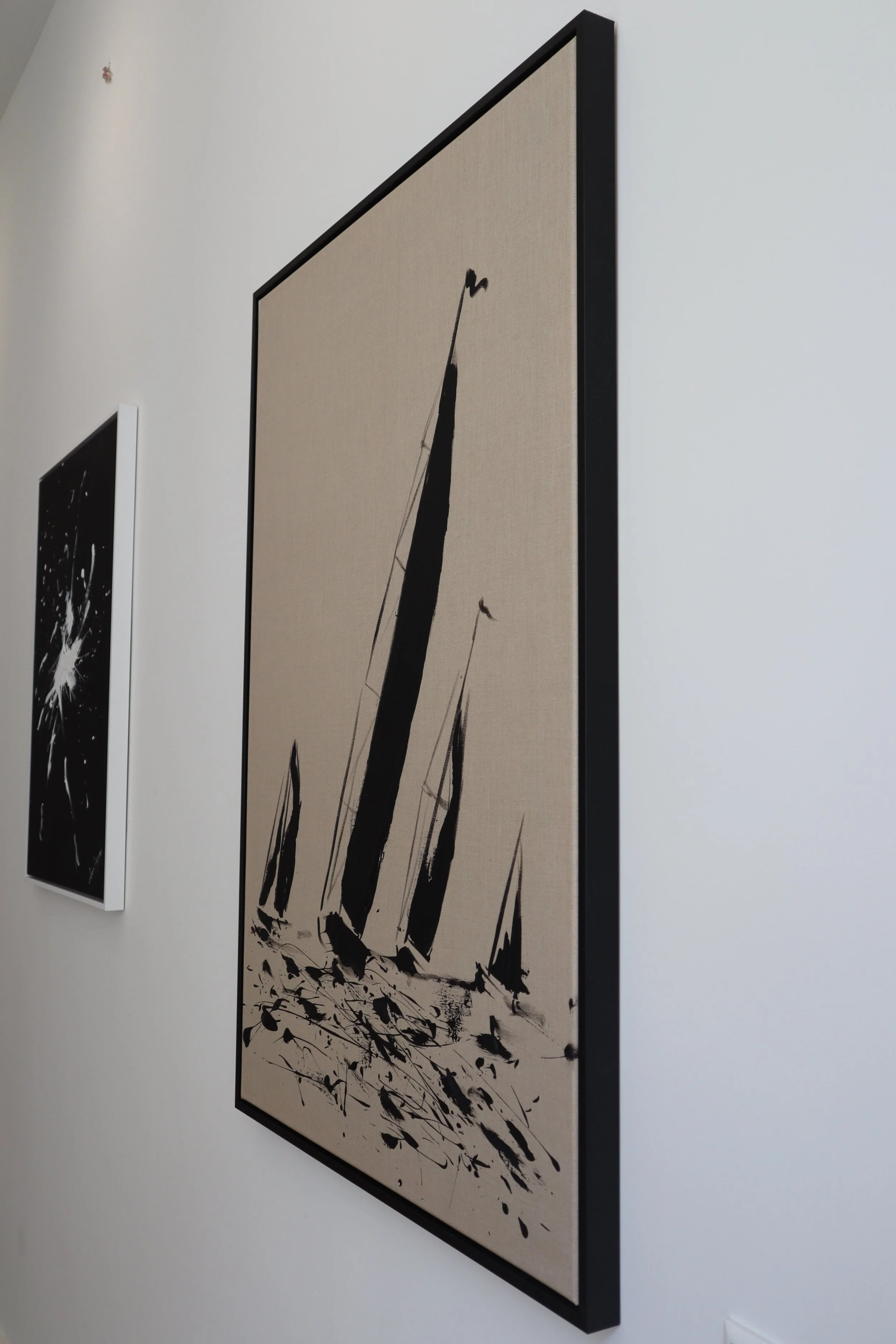
This article explains why buying fewer artworks often leads to stronger, more intentional collections, showing how time, restraint, and clarity help collectors build deeper relationships with art.
When Art Stops Being Decoration and Starts Becoming a Collection
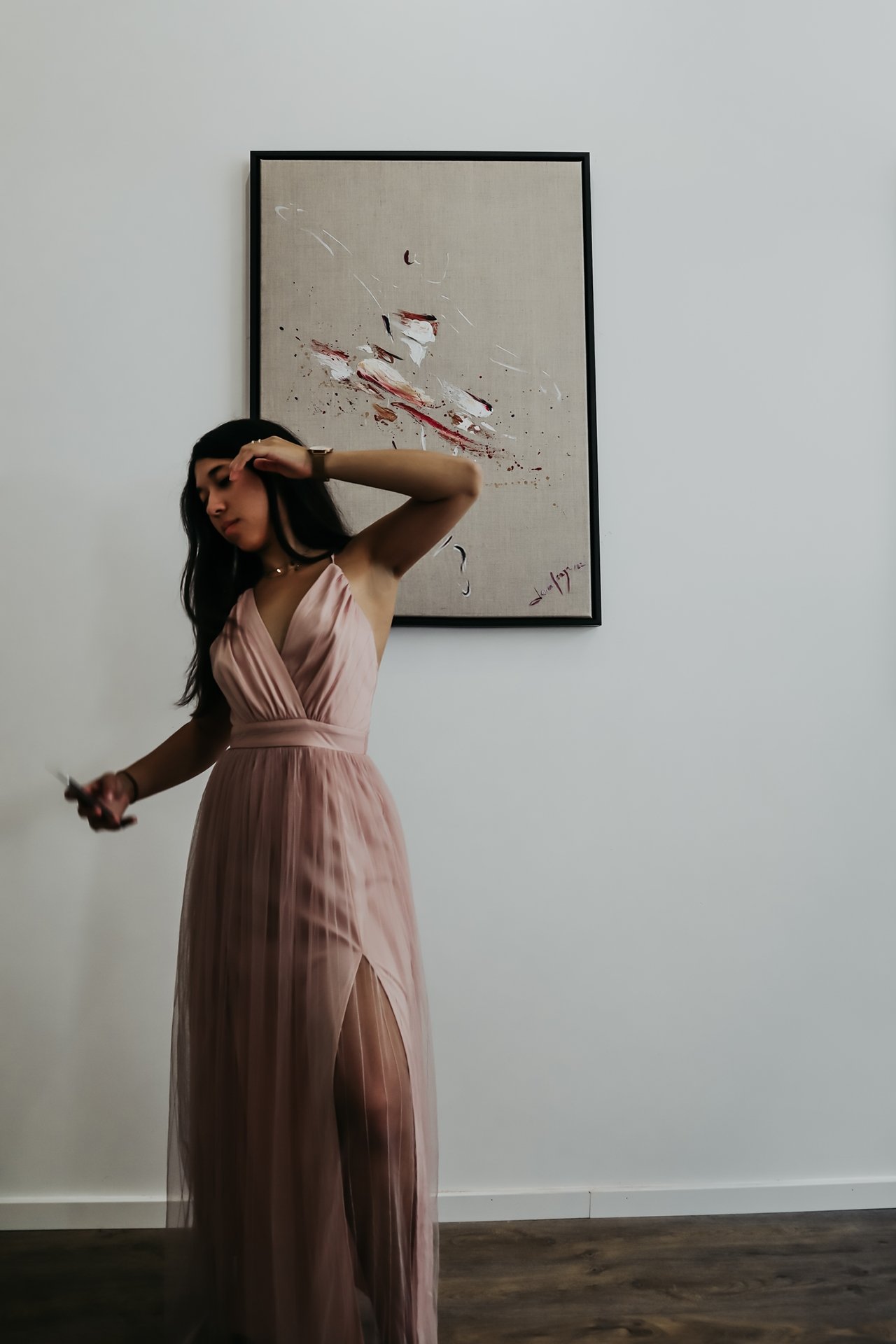
This article explains the quiet shift from decorating with art to collecting it, helping readers understand how intention, depth, and time influence meaningful art choices that last beyond trends.

How to Read an Artist Statement (Without Overthinking It)
This article explains how to read an artist statement without overthinking it, helping collectors understand why statements matter, how to use them for clarity, and how they support confident, informed art-buying decisions.

Do You Need a Gallery or Art Advisor to Buy Art? An Honest Perspective
Do you need a gallery or art advisor to buy art? This article explains when guidance adds value, when it’s optional, and how collectors can decide what level of support makes sense for confident, intentional art buying.

What Makes an Artwork Valuable Over Time? A Collector’s Perspective
What makes an artwork valuable over time? This article explains how long-term value is shaped by artist careers, coherence, context, and collector connection — helping buyers understand what truly sustains value beyond price.

When Is the Right Time to Buy Art? A Collector’s Perspective
When is the right time to buy art? This article helps collectors understand timing from a practical and emotional perspective, showing how clarity, connection, and readiness matter more than market perfection.

How to Know If an Artwork Is Right for You (Before You Buy It)
How do you know if an artwork is right for you? This article helps collectors understand emotional connection, practical considerations, and timing so they can buy art confidently, without pressure or second-guessing.

Is Art a Good Investment? An Honest Answer for Long-Term Collectors
Is art a good investment? This article offers a clear, honest explanation of how art works as a long-term asset, when it makes sense to invest, and how collectors can approach art with confidence, clarity, and realistic expectations.

Is Art a Good Investment? An Honest Answer for Long-Term Collectors
Is art a good investment? This article offers a clear, honest explanation of how art works as a long-term asset, when it makes sense to invest, and how collectors can approach art with confidence, clarity, and realistic expectations.
The Most Common Art Investment Mistakes (And How Smart Collectors Avoid Them)
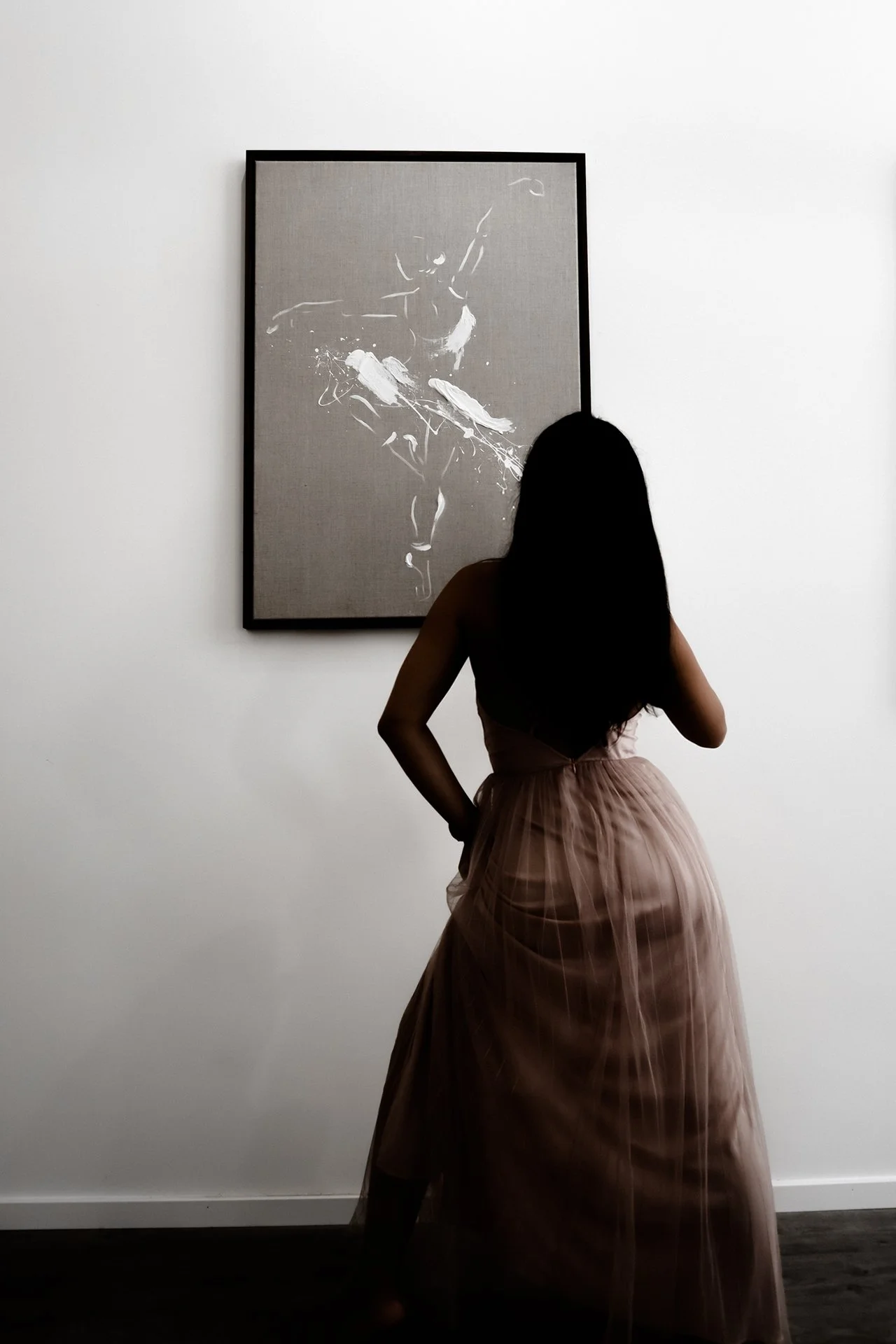
Many art investment mistakes come from unclear expectations and pressure. This article explains the most common errors collectors make and how to avoid them, helping buyers build confident, long-term art collections with clarity and intention.

Buying Art Online vs. Buying from a Gallery: What Collectors Should Know
Should you buy art online or from a gallery? Learn the real differences between online art platforms and galleries, from pricing and context to long-term value. A clear guide for collectors who want to buy art with confidence.

How to Evaluate an Artwork Like a Professional Collector
No collector is born with perfect judgment.
Evaluation improves through:
Exposure
Conversation
Reflection
Time
The more you understand why you respond to certain works, the more intentional — and satisfying — your collection becomes.
That’s when collecting shifts from uncertainty to confidence.
Why Munich Is an Excellent City to Start Collecting Art
The best art decisions don’t feel rushed.
They feel considered.
Munich offers an exceptional environment to collect art — especially when you work with a gallery that values long-term relationships over short-term sales.
If you’re ready to start collecting with intention, a local gallery is the strongest place to begin.

How Galleries Price Art: What Collectors Should Really Know Before Buying
An artwork’s price is not a verdict on your taste or status.
It’s information — about context, trajectory, and positioning.
The more you understand pricing, the more confidently you can collect art that feels right and makes sense financially.
That’s when art investment becomes grounded, not intimidating.